





Chosen by Lonely Planet as one of their Best in Travel Destinations for 2026, Tipperary is a county shaped by soft light, green fields and majestic sites. Here, rolling farmland gives way to the wide, green sweep of the Golden Vale, while the Glen of Aherlow sits between the Slievenamuck and the Galtee Mountains, the country’s highest inland range. From family farms producing artisan cheese and cider to medieval ruins appearing along country roads, Tipperary is a place that feels both timeless and alive. Slow down, take in the views, experience the history, and you’ll discover a genuine slice of Ireland that’s full of surprises.
A rich medieval treasure
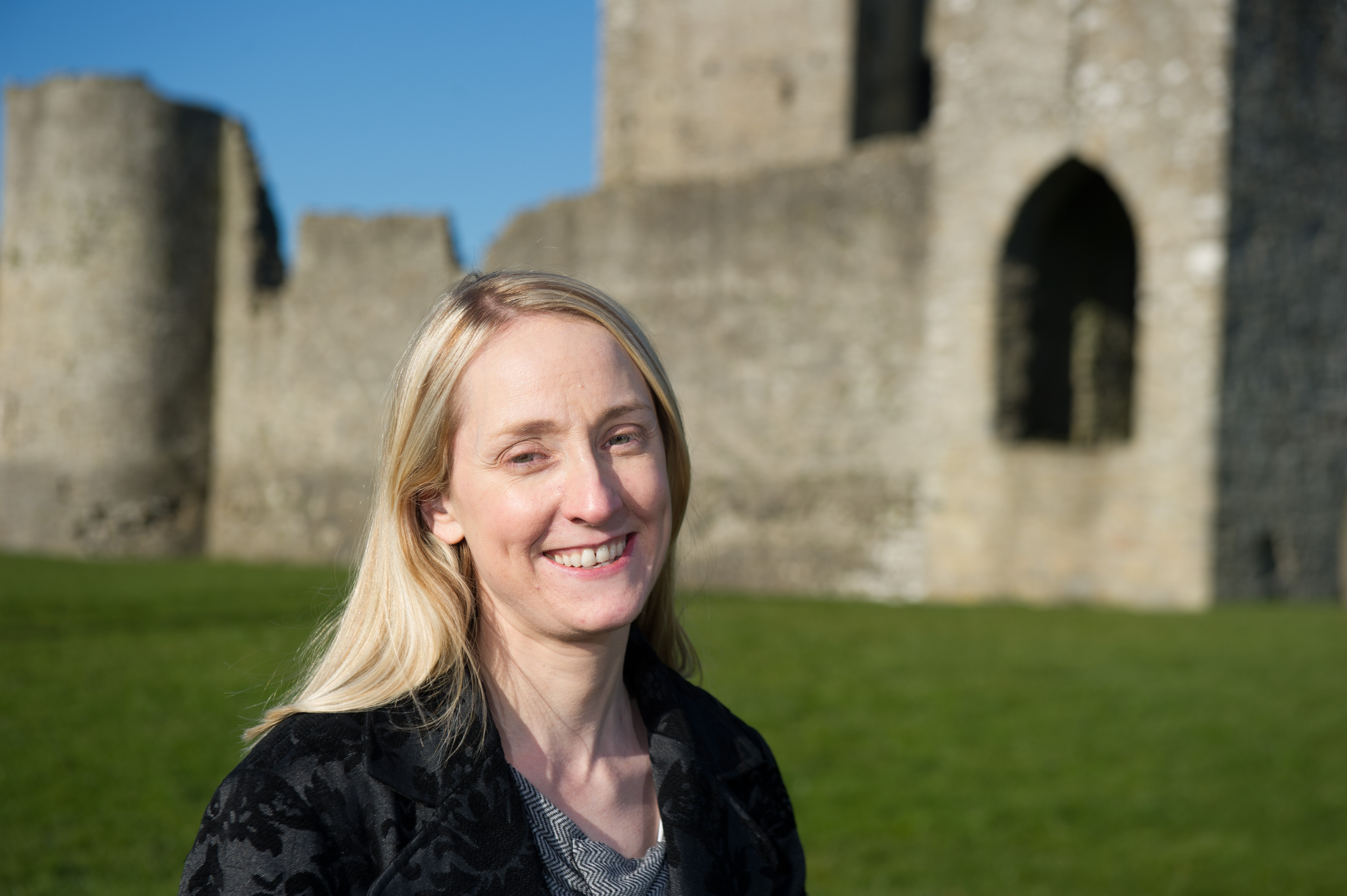
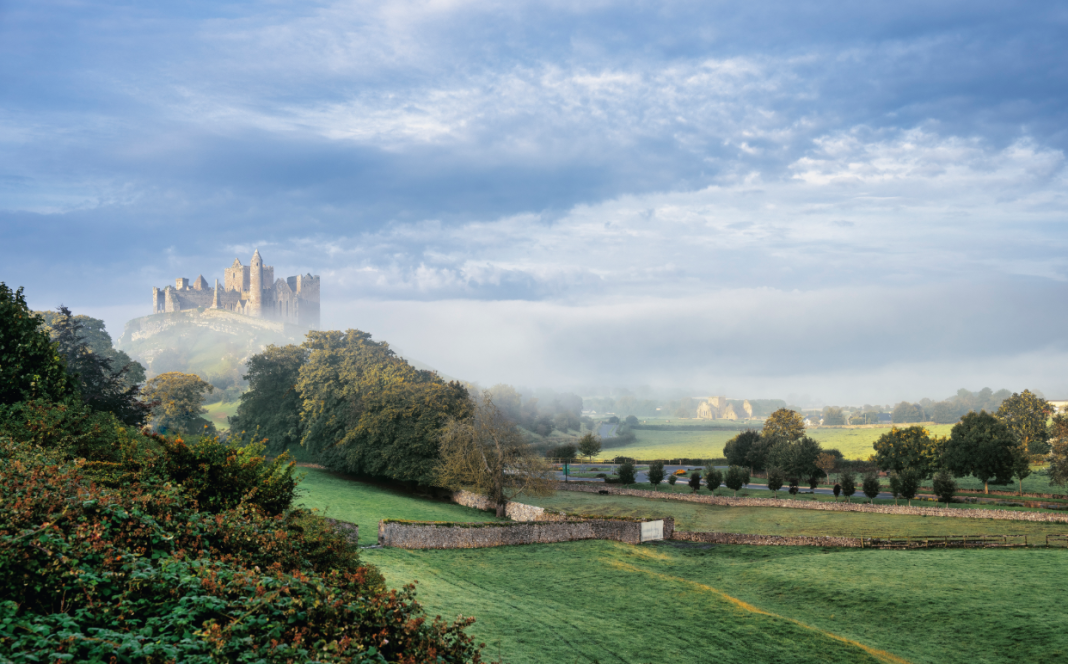
Historian and author Tom Wood has spent years guiding visitors through central Tipperary, home to the majestic Rock of Cashel. It’s one of the most impressive clusters of medieval buildings in Ireland – a site that has hosted many famous visitors over the centuries, from St Patrick to Queen Elizabeth II.
“The limestone rock is remarkable in itself as the seat of the Kings of Munster from 370 AD until 1101, when it was gifted to the church and became an ecclesiastical centre of significance,” Tom says. “On one small site we have all the stages of history and architecture: the 12th-century Round Tower, the unique 12th-century Romanesque Cormac’s Chapel, a 13th-century Gothic cathedral, Saint Patrick’s Cathedral, a 15th-century Residential Castle or Archbishop’s Palace, and a 15th-century Hall of the Vicars Choral.”
Tom notes that the town of Cashel offers further layers of history. “We see monastic ruins from the 13th century, medieval castles, sections of the 14th-century town wall, church spires from the 18th century, an 18th-century palace with its ancient trees and walled garden, and rooftops and chimneys from residential dwellings spanning almost four centuries.”
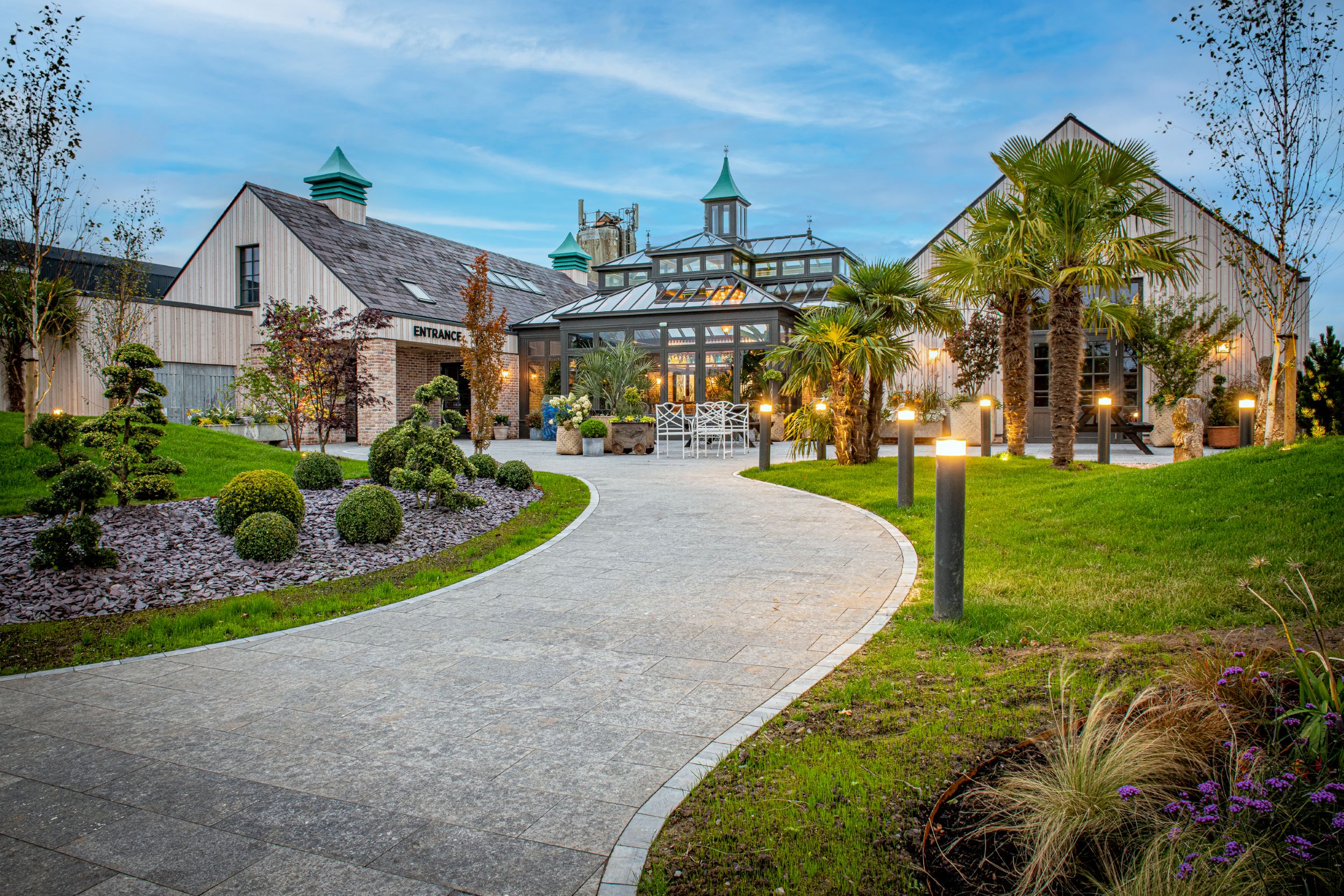
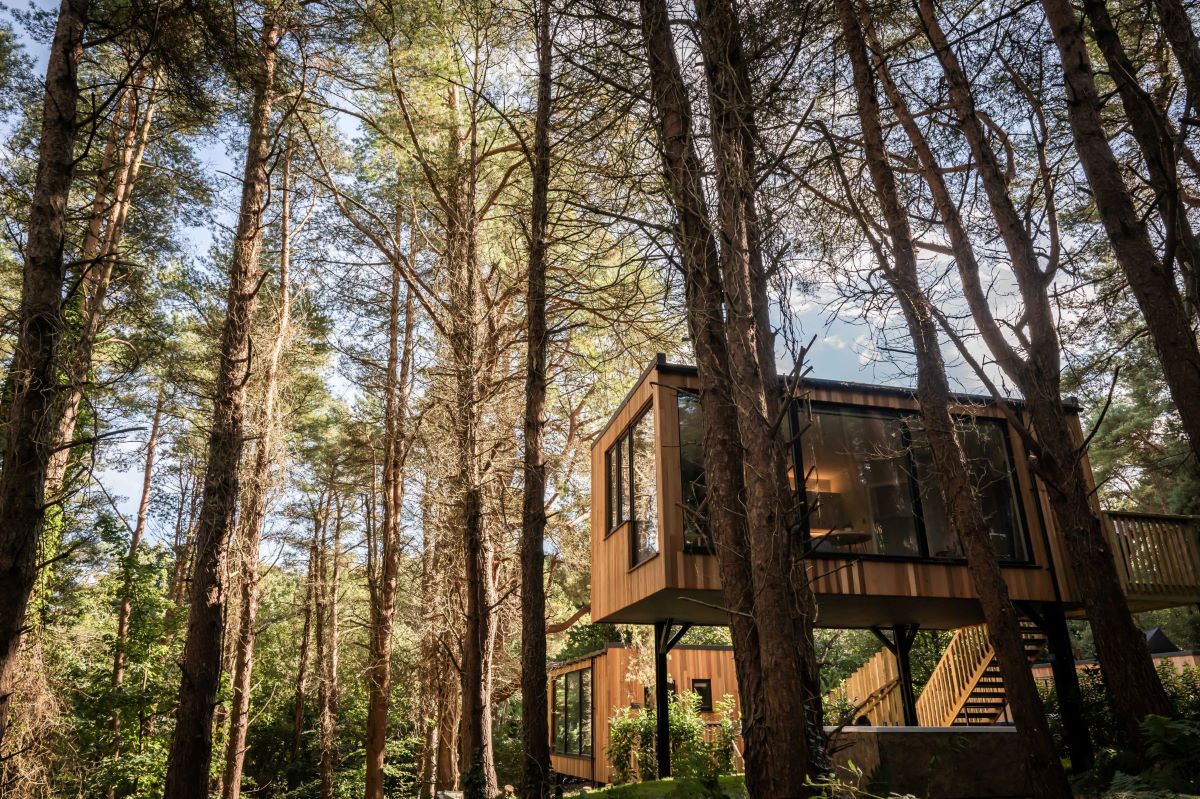
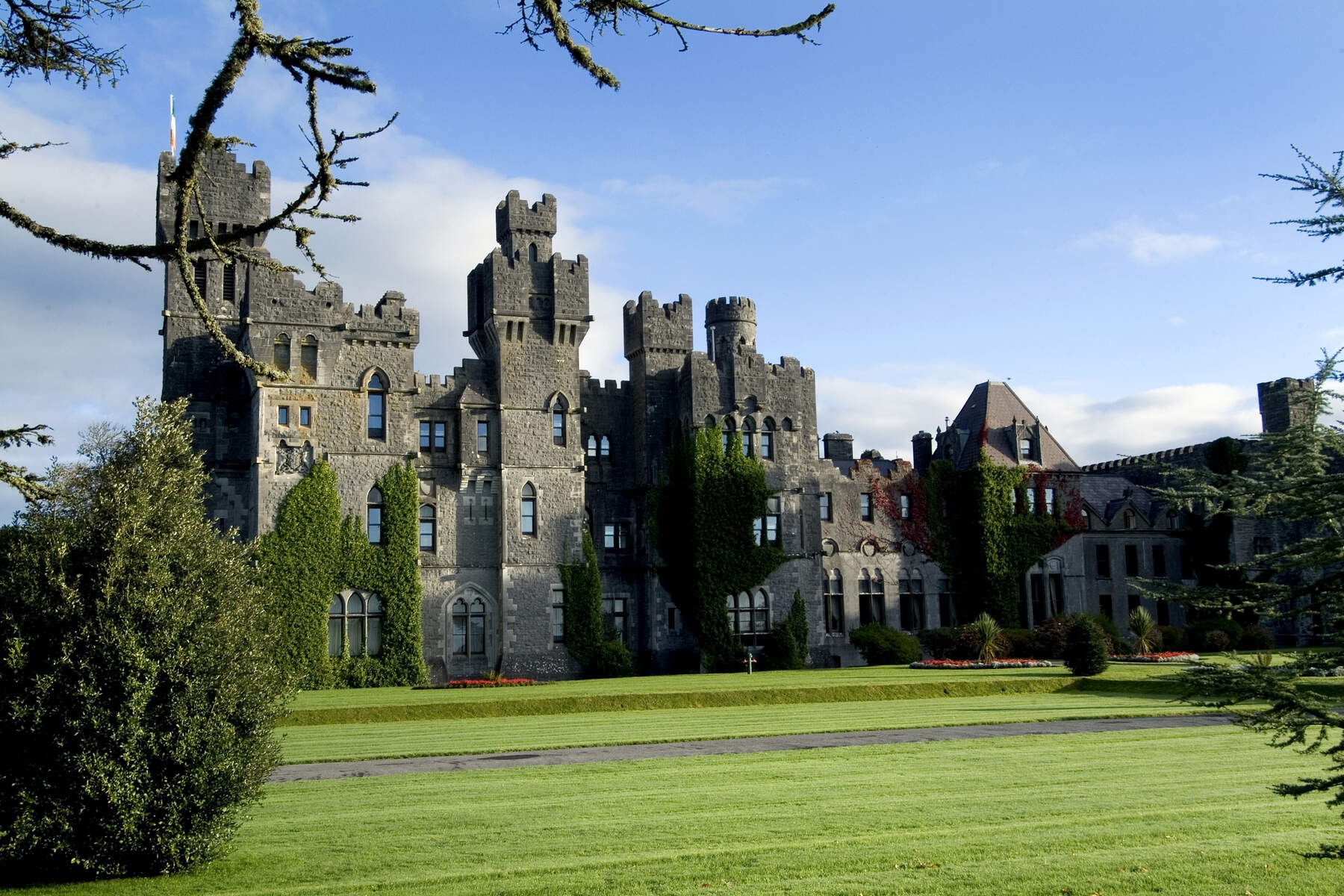
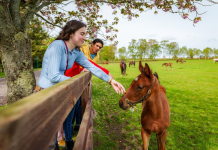
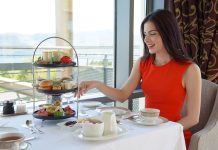
Set within a beautiful surrounding landscape, Cashel makes an attractive base for exploring some of Tipperary’s highlights. As well as being a top foodie destination, with long-standing favourites such as Chez Hans, the town is also home to a Condé Nast Traveller Gold List hotel, the Cashel Palace. Just beyond town, you can enjoy hiking trails and horse riding in the idyllic Glen of Aherlow, medieval history at nearby Cahir Castle and Holycross Abbey, and charm aplenty at the Swiss Cottage, a 19th-century cottage orné surrounded by picturesque scenery.
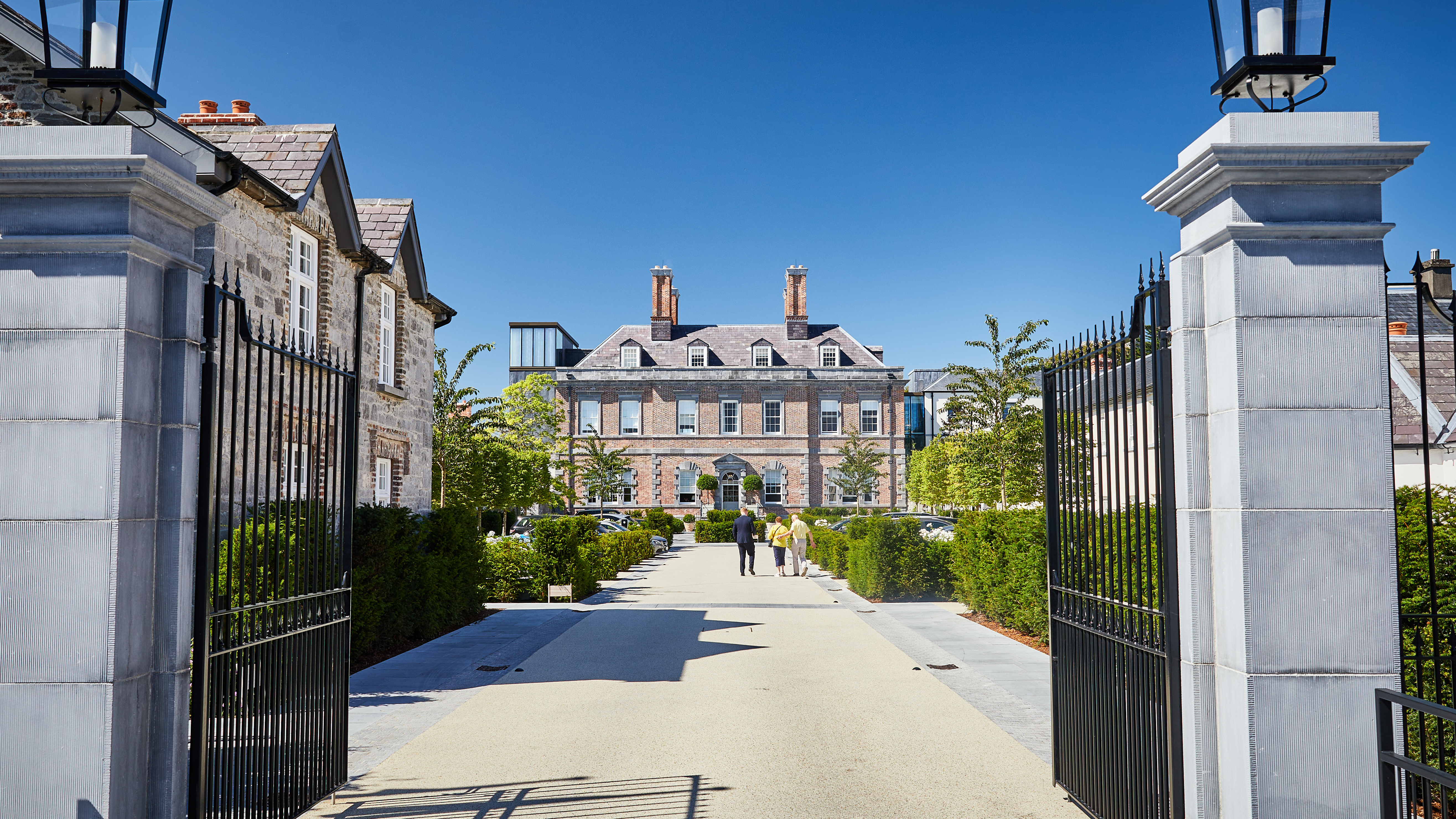 Cashel Palace Hotel, Cashel Town, Co Tipperary
Music sessions and lakeside pubs
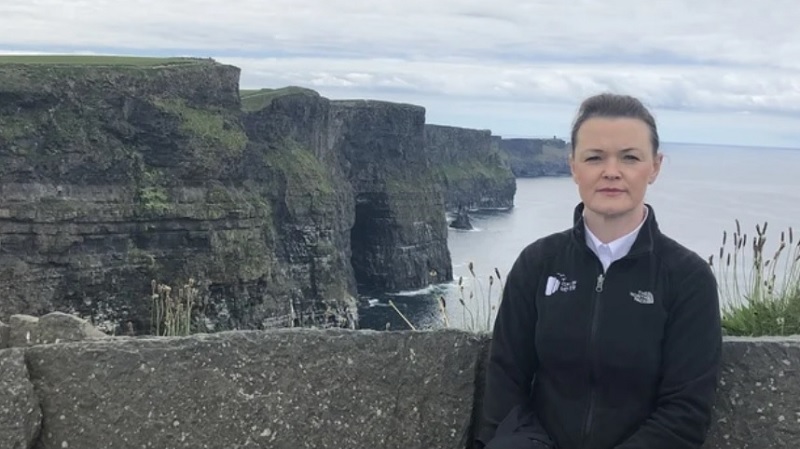
To the northwest, on the shores of Lough Derg in Garrykennedy, a different side of Tipperary awaits, where life follows the gentle rhythms of the water. At Larkins, a 300-year-old pub set just by the water, owner Maura Boyle sees the area’s spirit most clearly.
“Larkins has a real sense of home about it, warm, inviting, and full of character,” she explains. “From the lakeside views to the lively atmosphere inside, it feels like you are part of something that has been here for generations.”
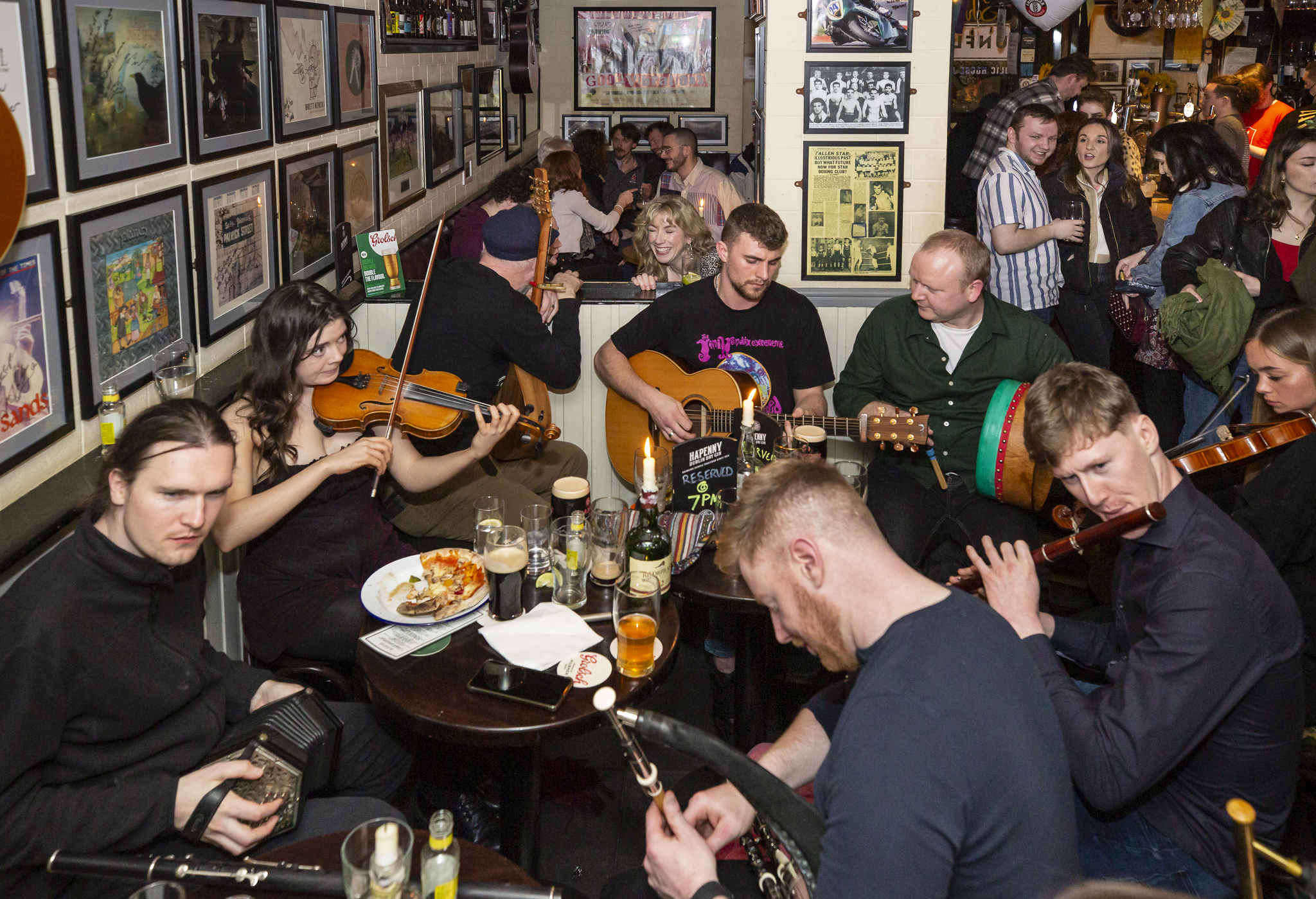
It’s often the sound of the bodhrán or fiddle that draws in the locals. “The music nights at Larkins are something really special. They bring people together, young and old, locals and visitors alike. This summer, we had people from Hawaii lead the session for a while. Strangers leave as friends.”
The pub changes with the seasons. “In summer, the place is alive with visitors arriving by boat or road, families enjoying the water, and long evenings in the garden. In winter, it slows down. The fire is lit, locals gather for a chat, and it feels more like home than ever. Every season, event, and occasion brings its own atmosphere.”
Still, Maura has one weekly moment that she treasures above all: “A Sunday music session at 7 pm,” she explains, “it’s not to be missed. Hot whiskeys, traditional Irish music, and everyone joining in. It is pure Larkins.”
Raising thoroughbreds
Further south in the county, the fertile soil has helped shape Coolmore Stud, one of the world’s leading thoroughbred centres.
“Coolmore has long been part of Tipperary’s landscape,” explains Maurice Moloney of Coolmore. “Its limestone-rich land and temperate climate are ideal for raising the finest thoroughbreds.”
Based in Fethard, a town that was founded around 1200 and still boasts well-preserved town walls, Coolmore is central to the county’s rich equestrian history, which spans more than 2,000 years. Drop into the Fethard Horse Country Experience in the town, and you can uncover the interesting story of Tipperary and its horses, with tour packages offering the chance to also visit Coolmore Stud.
Larkins Pub Garykennedy Lough Derg Co Tipperary
A true taste of “Tipp”
Across Tipperary, food remains closely linked to the land. Family farms supply cheese, cider, vegetables and meat, creating meals that reflect the county’s agricultural heritage. In Clonmel, Bulmers has been producing cider for decades, its orchards set in the fertile Suir Valley and long established as part of the region’s economy, while Whitefield Brewery in Templemore produces flavoursome craft beer.
You’ll find local ingredients on the menu of restaurants, pubs and cafés throughout the county, including Larkins. As Maura Boyle notes, “It’s about supporting the people around us, but it also means everything on the plate or in the glass has real quality. You can taste the place you’re in, and that matters to us.”
Tipperary’s appeal lies in this combination of landscape, history, and community. Its strengths are found in walking through Cashel’s historic streets, hearing music over Lough Derg with a glass of locally produced ale, observing the precision of Coolmore, or enjoying a meal made from ingredients grown nearby.
For Tom Wood, the greatest success is simple: seeing visitors take in “the views of Hore Abbey and the Golden Vale, seeing them later in the evening as they head to the local pub for a music session, a drink, and a chat with the locals. It means they are staying overnight and not just passing through.”
In 2026, more visitors will arrive with curiosity. They will find a county that rewards unhurried exploration and attention to detail. Tipperary has always offered this. The wider world is only now beginning to take notice.
ARTICLE CREDIT; TOURISM IRELAND