








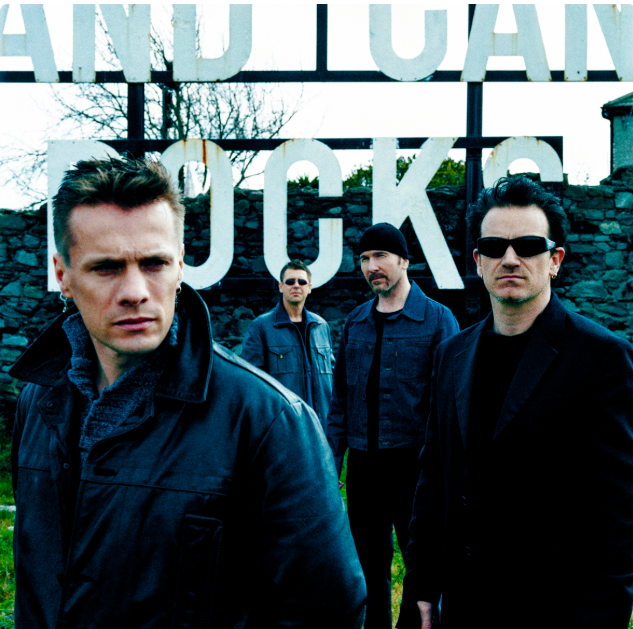
The release of Carnaval De Luz, the sixteenth studio album from U2, arrives during a landmark year for the band, coinciding with the 50th anniversary of the moment Larry Mullen Jr. posted a handwritten notice on a school noticeboard in Dublin looking for musicians to form a band. Five decades later, the city where that story began remains inseparable from the band’s identity.
The new album, produced by Jacknife Lee, is the band’s first collection of new material in nine years. Featuring themes of spirituality, friendship, freedom and resilience, Carnaval De Luz adds another chapter to a career that has carried Dublin’s influence onto the global stage since 1976.
For music fans, the album also offers a timely reminder of how deeply rooted U2’s story remains in the Irish capital.
That story begins at Mount Temple Comprehensive School on Dublin’s northside, where the four future band members first came together after responding to Mullen’s now-famous recruitment notice. The school is widely regarded as the birthplace of one of the most successful bands in music history.
Across the city, visitors encounter landmarks associated with key moments in the band’s rise. Windmill Lane Recording Studios played a central role in the creation of early albums including Boy, October and War, while guided tours offer an insight into one of Ireland’s most important recording studios.
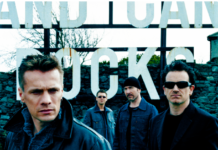
Fans seeking familiar sights from the band’s visual catalogue head to Fitzwilliam Square and the surrounding Georgian streets, locations immortalised in the video for Sweetest Thing.
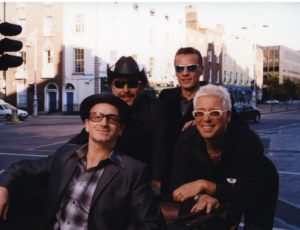
U2 photographed at Fitzwilliam Square, 1988, Co. Dublin
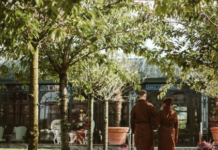
The band’s legacy is also preserved in several of the city’s cultural attractions. The acclaimed U2: Made in Dublin exhibition at The Little Museum of Dublin traces the group’s journey from local musicians to international stars through memorabilia, photography and personal stories, while the Irish Rock ‘N’ Roll Museum Experience in Temple Bar houses a dedicated exhibition exploring their impact on Irish and international music.
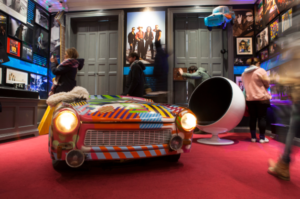
U2 room in Little Museum of Dublin
Much of the appeal lies not only in the landmarks themselves but in the city that shaped the band’s outlook. Dublin’s streets, neighbourhoods and music venues continue to provide the backdrop to a story that remains one of Ireland’s most influential cultural exports.
As Carnaval De Luz introduces a new era for U2, it also renews interest in the places where the band’s journey began. Fifty years after four schoolboys first joined forces in Dublin, the city remains one of the most compelling ways to understand the group behind the music.
CREDIT; TOURISM IRELAND